
The RESMED+ project is a continuation of the successful RESMED project. It focuses on the preservation and improvement of marine biodiversity along the Pyrenean coastline. This coastline harbors a great diversity of habitats used by emblematic species of significant economic and heritage value. Despite the conservation measures and fishing regulations implemented by the French and Spanish administrations, many species still show symptoms of overfishing, as sectoral regulations have not considered the region as an ecological unit.
Objectives and phases of the RESMED+ Project
RESMED+ aims to improve the quality of ecosystems and biodiversity through the implementation of conservation and management actions. These actions will include essential habitats identified in RESMED and will be expanded to new potential habitats such as submarine canyons, marine meadows, estuaries, lagoons, ports, and artificial reefs. The management will be carried out on a regional and cross-border scale, with the participation of all sectors and stakeholders involved.
The project will establish a diagnosis of the conservation status of commercial species and habitats throughout their life cycle, especially during critical phases of reproduction and recruitment (juveniles), and will identify the habitats used as ecological corridors.
This information will be crucial for designing effective management measures that integrate spatial regulations and fishing measures at the regional cross-border level.
- Collection of Needs and Expectations: Joint meetings will be organized between partners and cross-border management bodies to determine needs and improve management. Additionally, managers will be trained in marine biodiversity maintenance through training sessions on marine ecosystems, fish life cycles, and more. Finally, through collaborative workshops, tools will be developed for the integrated management of the Pyrenean coastal area included in the European cross-border cooperation program POCTEFA.
- Strengthening Current Knowledge: The RESMED project studied the movement and use of coastal habitats by various species and demonstrated high regional connectivity. Currently, information is already being transferred to local and regional management bodies, and the challenge of the ongoing RESMED+ project is to develop applications and visualization models to improve management and conservation. Volunteers will also be trained in citizen science tasks that will contribute to maintaining the telemetry network, and knowledge will be generated through observation and data collection.
- Identification and Location of New Habitats: The RESMED+ Project will describe and characterize the use of habitats and their connectivity during various life cycle phases of mobile commercial species. This characterization of breeding areas will be carried out through visual censuses in the POCTEFA area, including port areas; and feeding and reproduction habitats will be studied using acoustic telemetry, leveraging and expanding the receiver network of the RESMED project throughout the POCTEFA area.
Participation of Club Nàutic Estartit
A key aspect of the project is the installation of hydrophones for acoustic telemetry, which is essential for tracking the movement of species. Club Nàutic Estartit, committed to sustainability and biodiversity, collaborates in the installation of these hydrophones. Additionally, they allow angling sessions within the port for the tagging and monitoring of different species of fish and crustaceans.
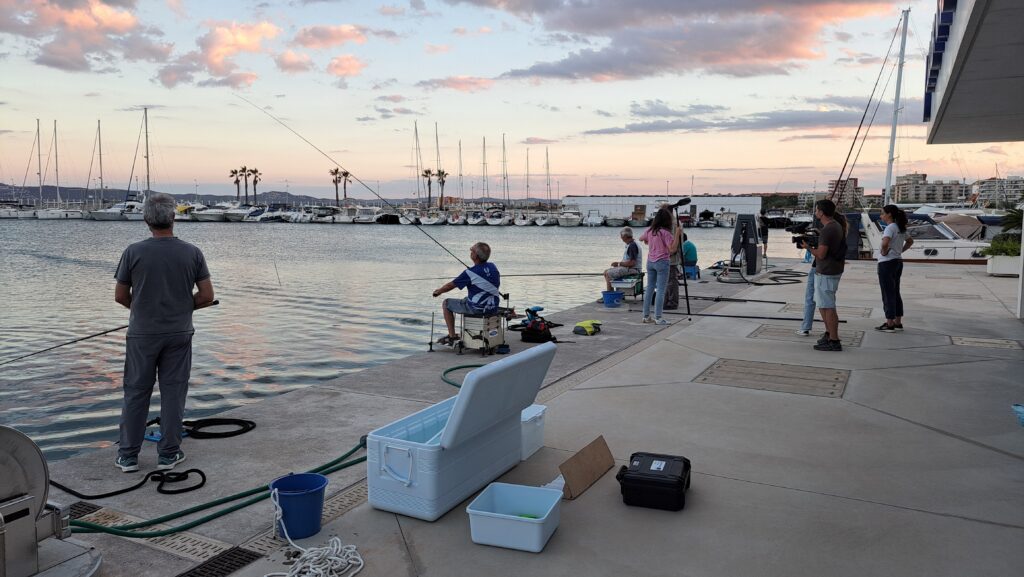
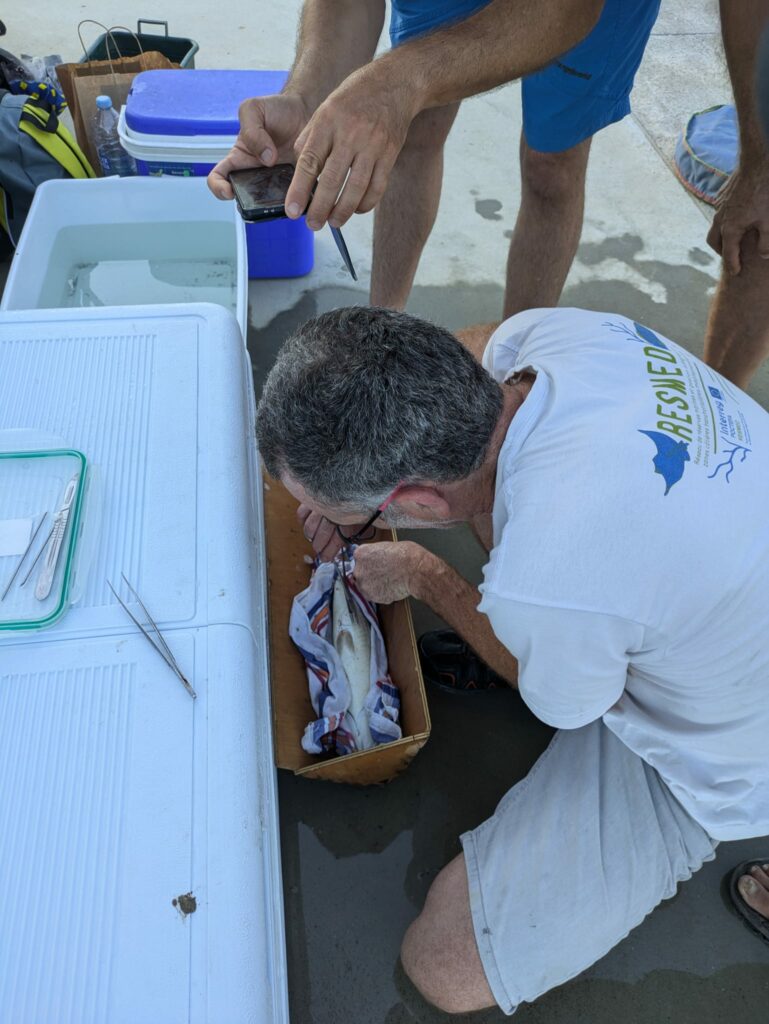
This effort will help characterize breeding, feeding, and reproduction habitats in various areas, significantly contributing to conservation and fishing efficiency, taking into account the effects of climate change.
The RESMED+ project represents a concerted effort for the harmonized and sustainable management of cross-border marine biodiversity. With the collaboration of various actors, including nautical clubs like Club Nàutic Estartit, the project aims to achieve effective conservation of marine habitats and sustainable exploitation of their resources. The actions and measures implemented can serve as a model for other Mediterranean regions, thereby promoting integrated and adaptive management in the face of current environmental challenges.