
We are pleased to share with you the latest full report on our marine restoration project, an initiative that began in 2022 thanks to the collaboration with Ocean Ecostructures and which has become a key project in the protection of marine biodiversity. This initiative is part of the SEAREG research project, which promotes the recovery and conservation of marine ecosystems in the Mediterranean, with the collaboration of different prestigious scientific institutions such as the Institute of Marine Sciences (ICM) or the Centre for Advanced Studies of Blanes (CEAB).
The results of the report show a significant improvement in biodiversity and an increase in biomass, with a positive effect on water quality and greater CO₂ fixation. This initiative, beyond contributing to environmental conservation, allows us to create added value for our members and visitors, consolidating Club Nàutic Estartit as a model of environmental responsibility and protection of natural heritage. This document reaffirms Club Nàutic Estartit’s commitment to sustainability, ensuring that our efforts help to preserve the natural environment for future generations.
Importance of the project
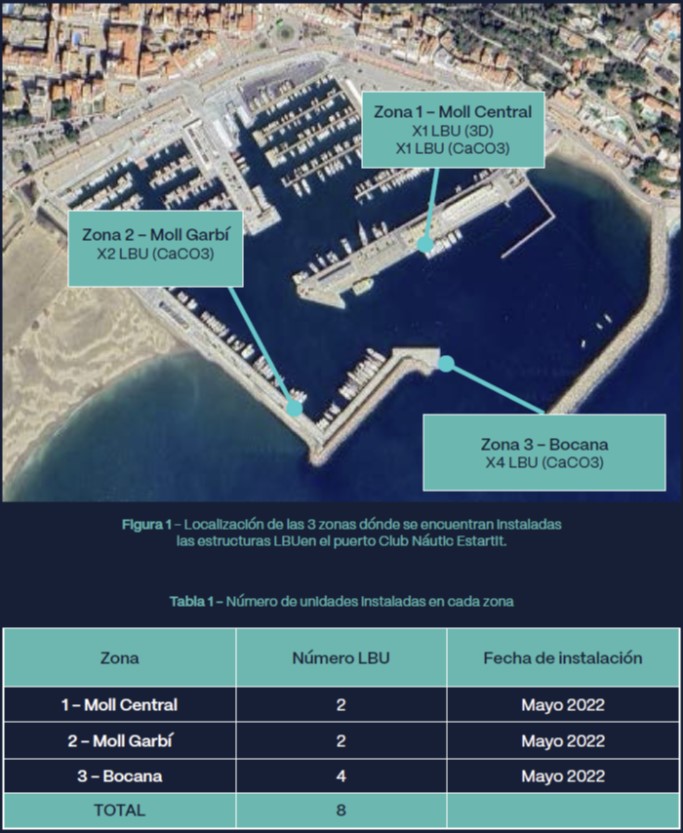
This marine restoration initiative began as a response to the urgent need to protect marine ecosystems from the impact of human activities and climate change. The installation of regenerative structures within the port allows us to improve the balance of emissions and reduce the impact of our port activities. At the same time, they also allow us to create added value by raising our users’ awareness of the importance of preserving marine life.
We also reinforce our efforts to improve the environmental quality of the Montgrí, Medes Islands and Baix Ter Natural Park, a natural heritage that depends on the involvement of all local stakeholders.
What are LBUs and how do they work?
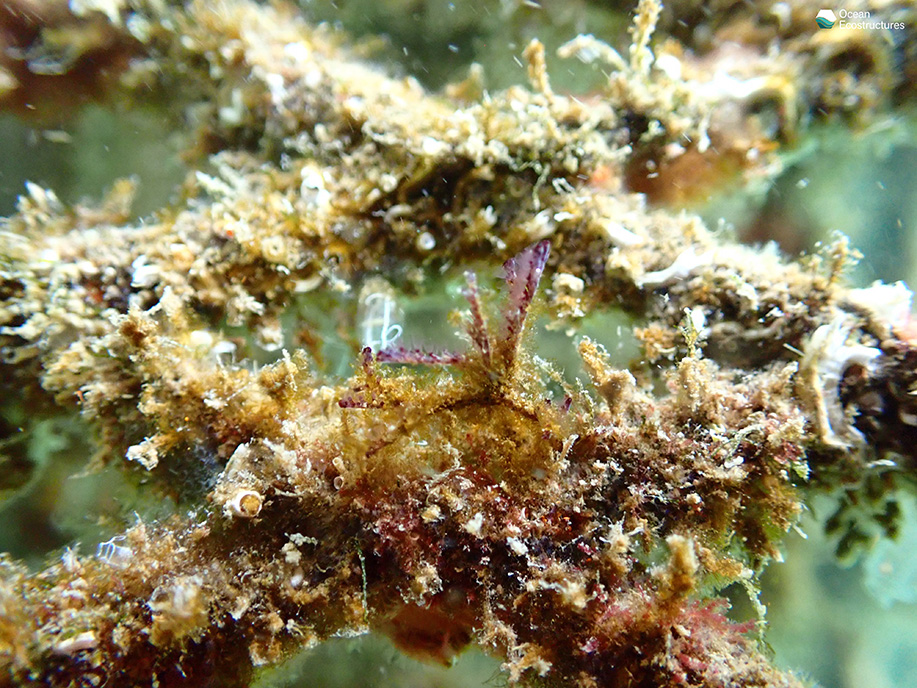
LBUs, or Life Boosting Units, are innovative structures designed by Ocean Ecostructures to promote biodiversity in harbour areas. These units are made of materials that facilitate the attachment of various organisms, such as algae and small invertebrates, which attract other species and increase habitat complexity.
This type of ecological restoration serves a dual purpose: it improves the health and resilience of ecosystems and helps to fix carbon dioxide (CO₂) through increasing marine biomass. The latter function is particularly important in the fight against climate change, as the biomass generated at LBUs temporarily captures CO₂ within marine organisms.
Overall results and environmental benefits
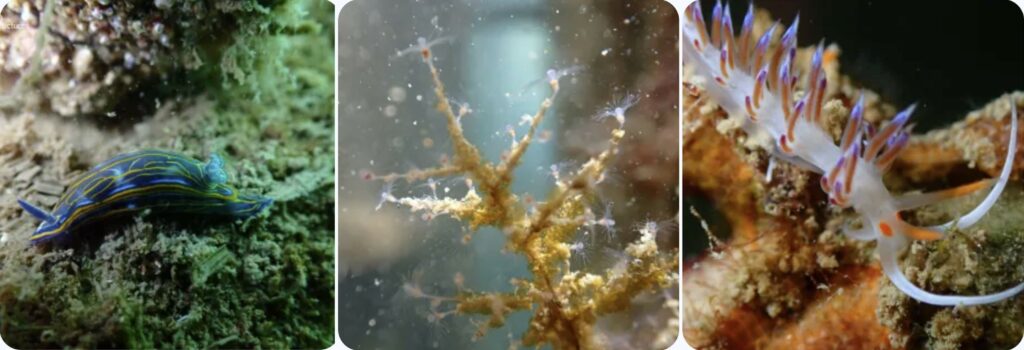
In these first three years, the LBUs have shown exceptional potential: they have managed to fix up to five times more CO₂ than the traditional port walls, a fact that underlines their effectiveness as an emission compensation tool. The increase in biomass in these units is also a clear indicator of the improvement in the port’s environmental quality.
The report also highlights an improvement in water quality in the areas where the LBUs have been installed, with an increase in dissolved oxygen and a reduction in turbidity. This is evidence of the effectiveness of the LBUs in creating a healthier and more resilient aquatic environment, with conditions favourable for the proliferation of a greater diversity of species.
Collaboration with the SEAREG project
An essential aspect of the marine restoration project is the collaboration with SEAREG, a research project with the aim of restoring marine life in the Mediterranean through the implementation of pioneering techniques in marine regeneration. This collaboration has allowed the reintroduction of key species, such as algae of the genus Cystoseira, which play a vital role in the complexity and stability of marine ecosystems as they provide a rich habitat for a great diversity of species. In the case of the CNE, these algae have been replanted with the structures.
A long-term commitment
This initiative is part of Club Nàutic Estartit’s wider commitment to sustainability and environmental preservation. In addition to the direct ecological benefits, the LBUs serve as an awareness-raising tool for visitors to the port. Knowing about the existence of these structures helps to understand the importance of protecting our seas.
From Club Nàutic Estartit, we are committed to continue working on this type of initiatives that promote a more sustainable port area that is aware of its environmental responsibility.